"Time was when I despised the body; but then I saw the Divine within. And then I realized the body is the temple of the Lord, and so I began nurturing it with infinite care."
— Thirumoolar, Thirumanthiram (Verse 725) (7th Century CE)வெப்பமான மூலிகை மருந்துகள்

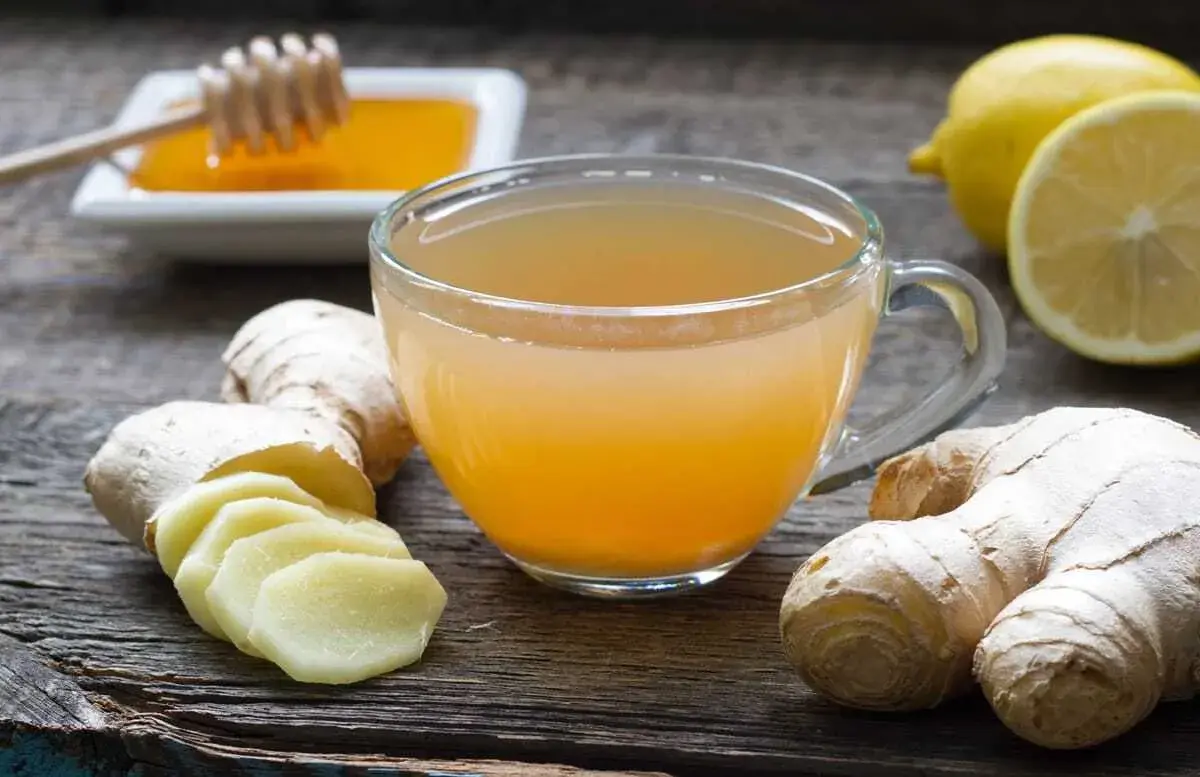
Known as Vishwa Bheshaja — "the universal medicine" — in herbal compendiums from the 2nd century CE. Temple kitchens at Brihadeeswarar and Srirangam served this warm brew to pilgrims after long fasting journeys for over a thousand years. British colonial records from 1872 confirm it was the most consumed street drink in Madurai bazaars. Passed down through generations as the first remedy for cold, indigestion, and fatigue.
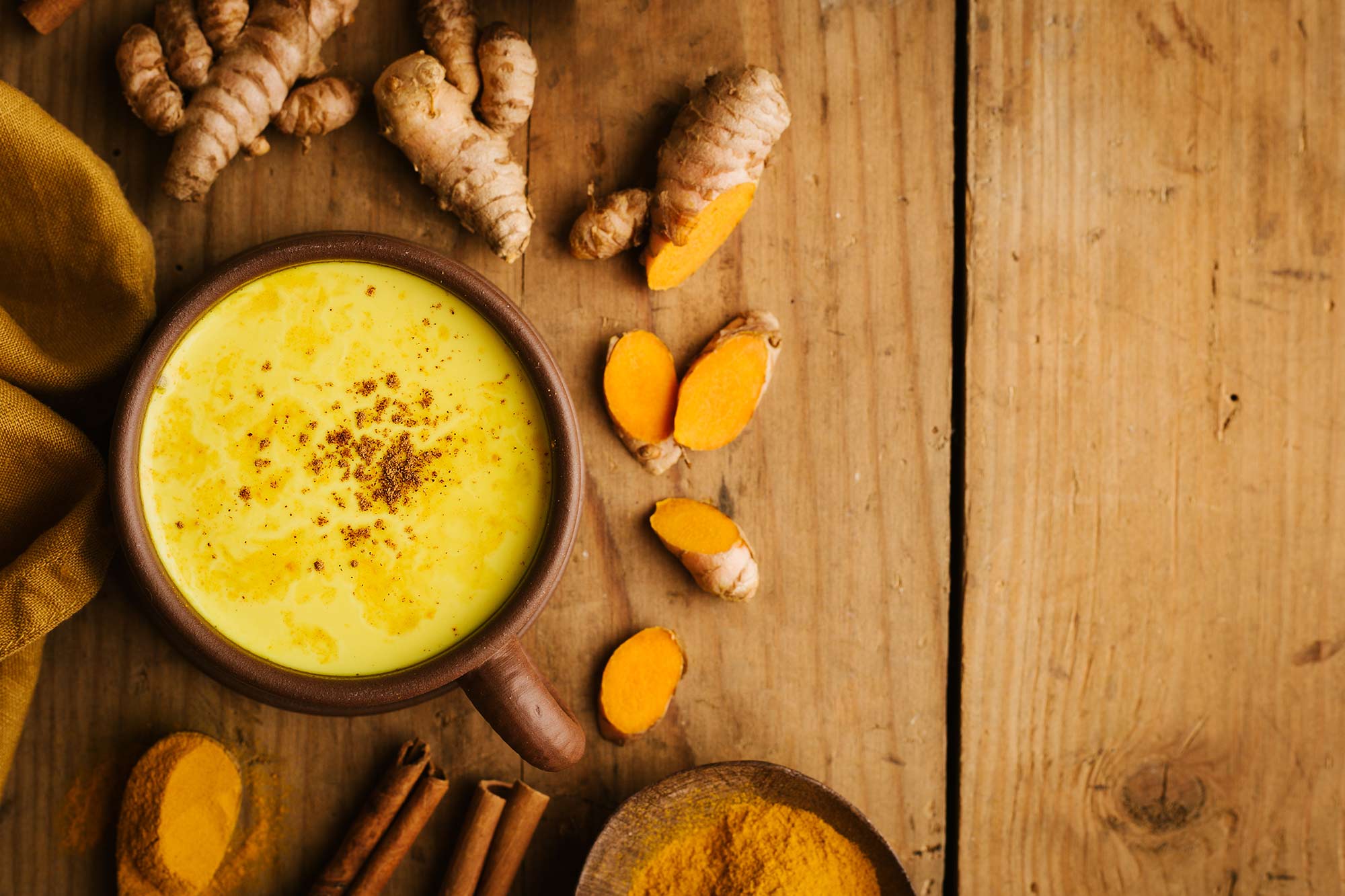
The Charaka Samhita (300 BCE) prescribes turmeric milk — "Haridra Dugdha" — for joint disease and internal wounds. In every home, this was given to children after injury, to women post-childbirth, and to elders at sunset as a nightly blessing. Arab traders of the 1st century CE noted "the gold drink of the ports" in their records. "Golden Milk" became a global café trend after 2015 — yet every grandmother had been making it for 3,000 years before that.
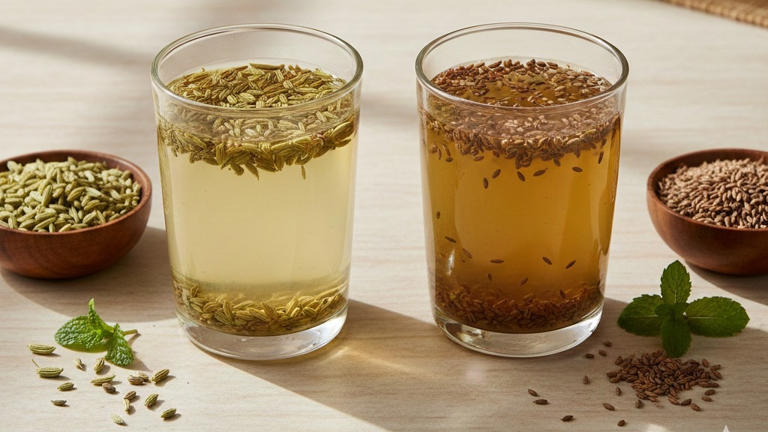
Carom seeds (Omam / Ajwain) have been steeped in water as a morning drink for thousands of years across South India. Ancient herbal compendiums from the 3rd–5th century CE list it among the 32 essential herbs of every household. Mothers across Tirunelveli and Thoothukudi prepared Omam Thanneer for newborn colic — a tradition living in villages to this day. Mughal court records (1600s) document Tamil traders selling it to royal physicians in Delhi as a prized digestive tonic from the South.

Palm Candy Milk appears in the Sangam-era Ettuthokai poetry anthologies (300 BCE–300 CE) as the customary offering to guests and revered elders. The Thanjavur Maratha palace kitchens of the 18th century served it nightly to the royal household. The Palmyra palm — the noble source of this crystal candy — is considered sacred in ancient literature. Every part of this tree is used in traditional medicine, and the crystallised palm sap is classified as a body-cooling, liver-nourishing substance.

Rasam — from the Sanskrit "Rasa" meaning essence — is documented in Sangam-era poetry (Purananuru, 1st century CE) as the first food given to those recovering from fever. Every family has its own treasured recipe passed through generations. The Chola dynasty's royal kitchens at Gangaikonda Cholapuram (11th century CE) maintained dedicated coriander gardens. Rasam is the one dish served at every temple community meal across South India, without fail, for over a thousand years.
குளிர்ந்த மூலிகை மருந்துகள்

Every devout household maintains a sacred Tulasi courtyard — the plant is a symbol of blessing and protection. The poet-saints of the 6th–9th century composed devotional hymns to this herb alone. During the devastating 1918 influenza epidemic, physicians distributed tulasi decoction across entire villages — documented in official Collector's records as having reduced mortality. The World Health Organization now lists Ocimum tenuiflorum as a priority medicinal plant.

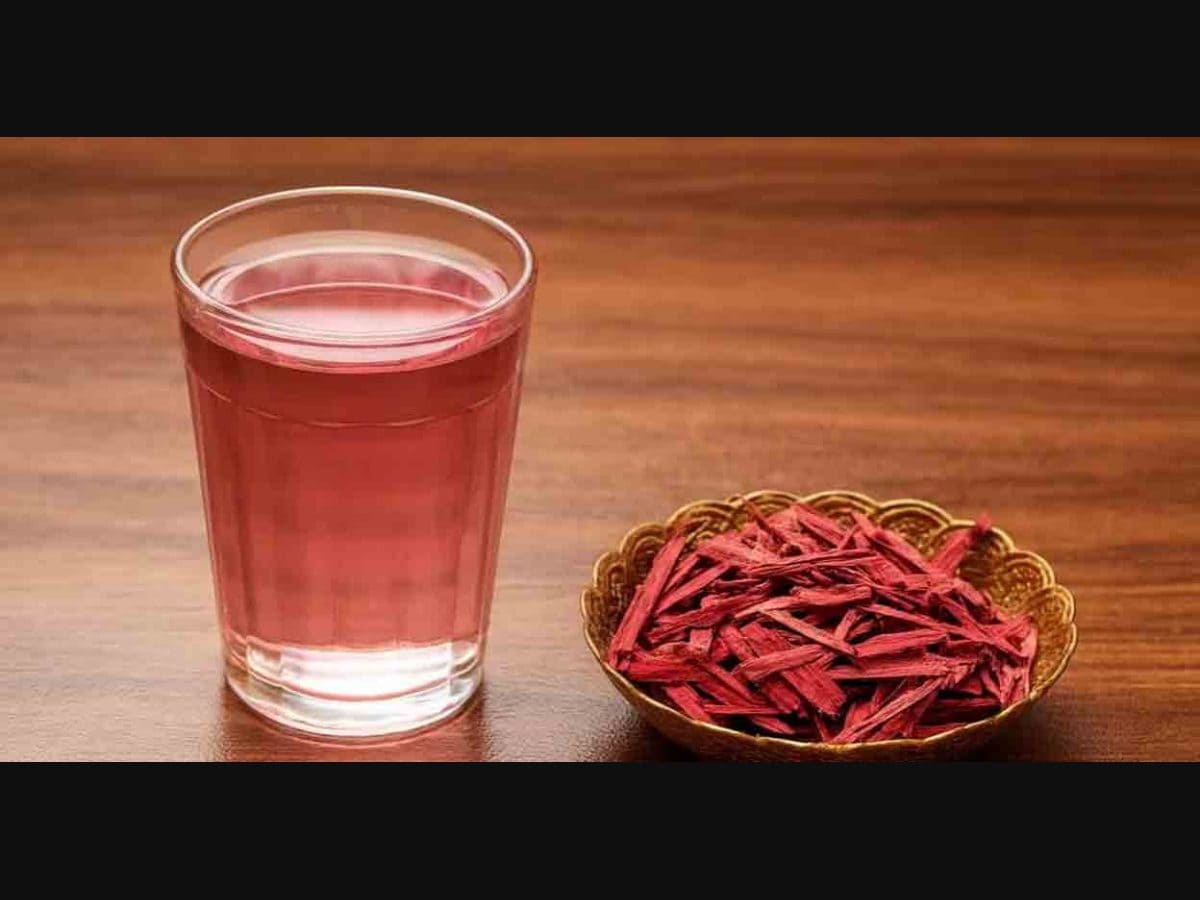
Pathimugam (Caesalpinia sappan / Sappanwood) has been used in Kerala and Tamil Nadu households for centuries as a daily cooling drink, poured from clay pots each morning. Referenced in ancient Ayurvedic texts as Patanga, it was traded along the ancient spice routes — Arab and Chinese merchants prized it as both a dye and a medicine. The brilliant crimson water it produces when soaked overnight has made it a temple offering and a household staple across the Malabar coast for over a thousand years.

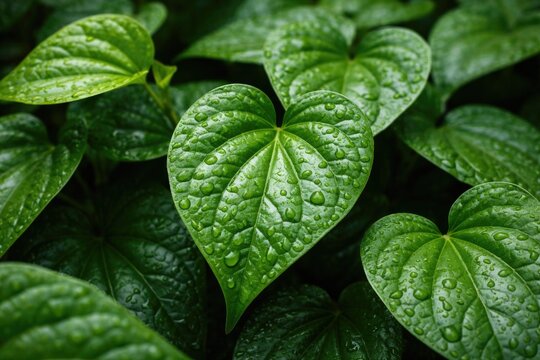
Betel leaf is mentioned in the Ramayana and in Sangam-era poetry as a post-meal offering of hospitality and blessing. In this land's culture, vethalai is the symbol of welcome — offered at every wedding, housewarming, and religious ceremony without exception. The Nayak kings of Madurai (16th–18th century) maintained royal betel gardens and served betel leaf water as the official post-feast royal digestive. CSIR has confirmed anti-carcinogenic properties in its phenolic compounds.
Panakam is mentioned in Kamban's Ramayanam (12th century CE) as an offering at Rama's coronation feast. The Srirangam Ranganathaswamy temple and Tirupati Balaji distribute this drink as prasadam to millions annually — one of the world's most consumed ritual beverages. Archaeological evidence from ancient Uraiyur (near Trichy), dated to 300 BCE, includes terracotta vessels designed specifically for jaggery water storage. Its mineral composition is virtually identical to modern Oral Rehydration Solution.

Fenugreek (Trigonella foenum-graecum) has been cultivated in India and the Mediterranean for over 4,000 years. In ancient Egyptian papyri it was recorded as a remedy for fever and childbirth. In India, it holds an unbroken place in traditional medicine — listed in the Charaka Samhita as a treatment for weakness, indigestion, and hormonal imbalance. Every Tamil household soaks vendhayam overnight as a morning health ritual. A 2024 study published by the National Library of Congress confirmed drinking fenugreek water on an empty stomach significantly reduces Type 2 diabetes symptoms and acidity.
Tick what you'd like added to your drink — each add-on ₹ 20